a new dawn for creatives with codex
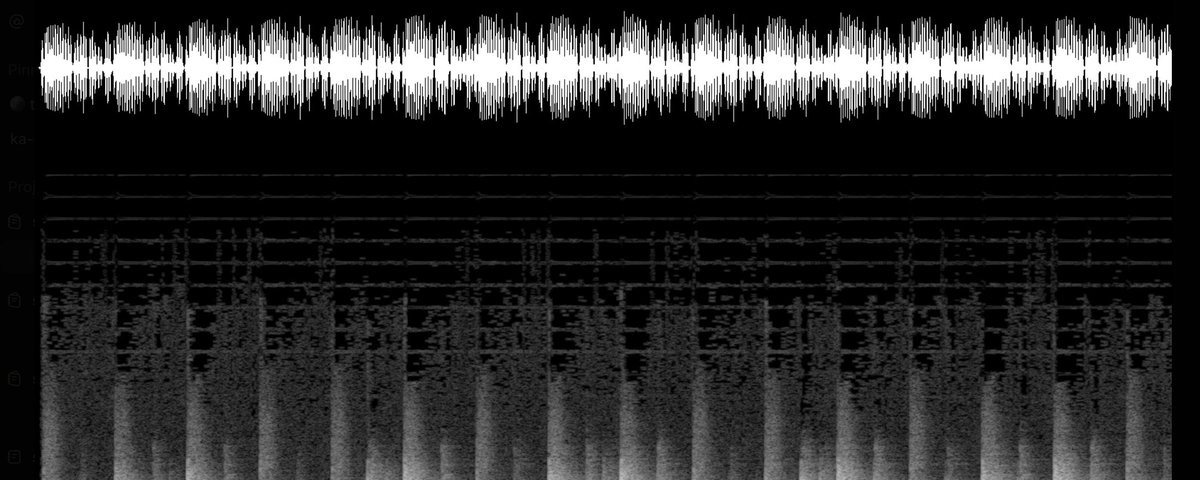
gpt-5.6 “sol” is a significant step forward for ai-assisted creative work. the image above was generated autonomously while the model solved this prompt: “please use my track 43214, isolate the kick drum used in the first 30 seconds, and sample one hit to use as our music application’s global metronome.”
5.6 used a mel spectrogram to locate the velocity, frequency, and time, then cross-referenced that with a waveform of the audio file to find the kick transient. it blew my mind hearing the model play it back for me and ask for any adjustments.
i was part of the chatgpt pro community early testing group, and this is just the beginning of what i was able to build with 5.6 sol so far.
deep music analysis from my own archive
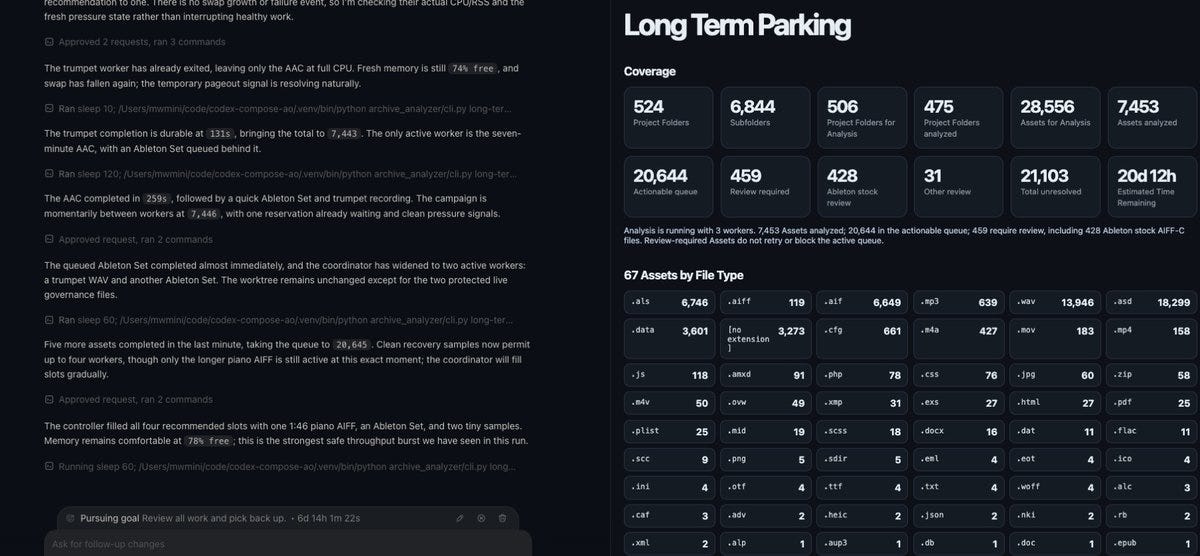
over many years as a music producer, i collected roughly 1.1 tb of projects and accompanying assets: 524 project folders, 6,844 subfolders, more than 6,700 ableton live files, 13,900 wav files, 6,600 aiff files, and 28,556 assets in total.
each asset can receive a portfolio with likely pitch, key, tempo, onsets and offsets, and multi-view hd mel spectrograms. a bridge between ableton live and codex examines each project’s mix, instruments, effects, midi regions, automations, and parameter preferences. the results go into a searchable memory system.
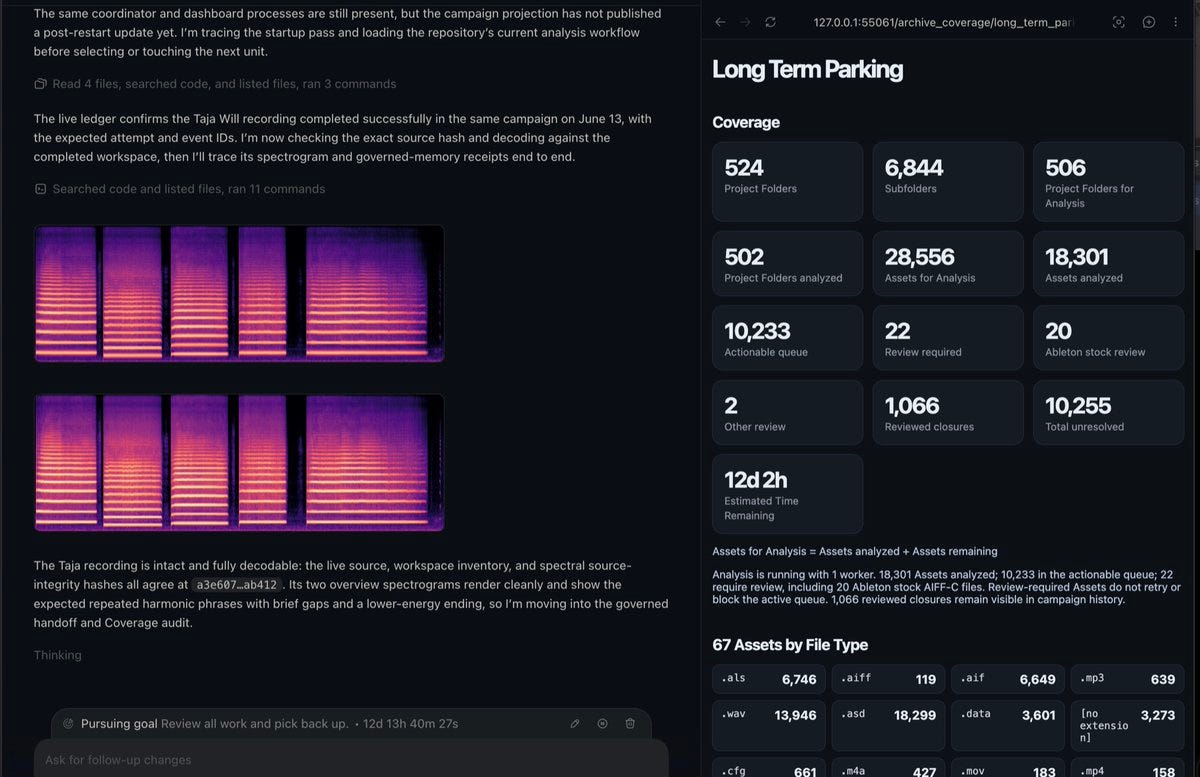
after several checks, i started a long-running goal in codex. it completed on july 9 after 23 days, 3 hours, and 20 minutes, using 254,754,344 tokens, just in time for launch. the result is an organized dataset representing about 15 years of my 30 years of composing. i have begun using this context in ai-assisted composition software.

software as the composition
i built a macos and ios composition application for sound for movement using swiftui, c++, and apple audio systems. it includes instruments, editing, playback, effects, notation, educational material, and access to the catalog. a separate in-depth article will walk through the application.
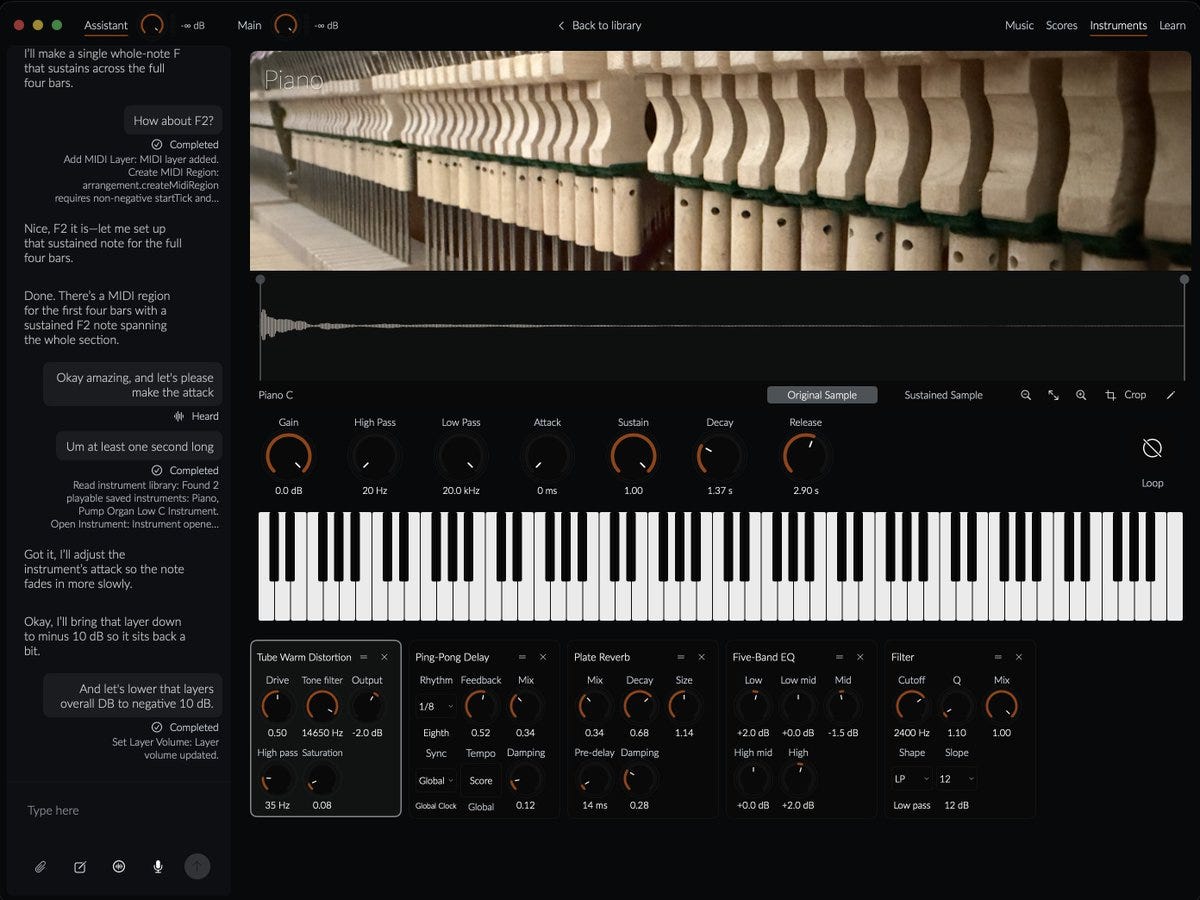
using voice, airpods, and an ios companion app, i can create a layer, open an instrument, sample a library track, add an effect, write parameter automation, and work remotely. account actions remain separate.
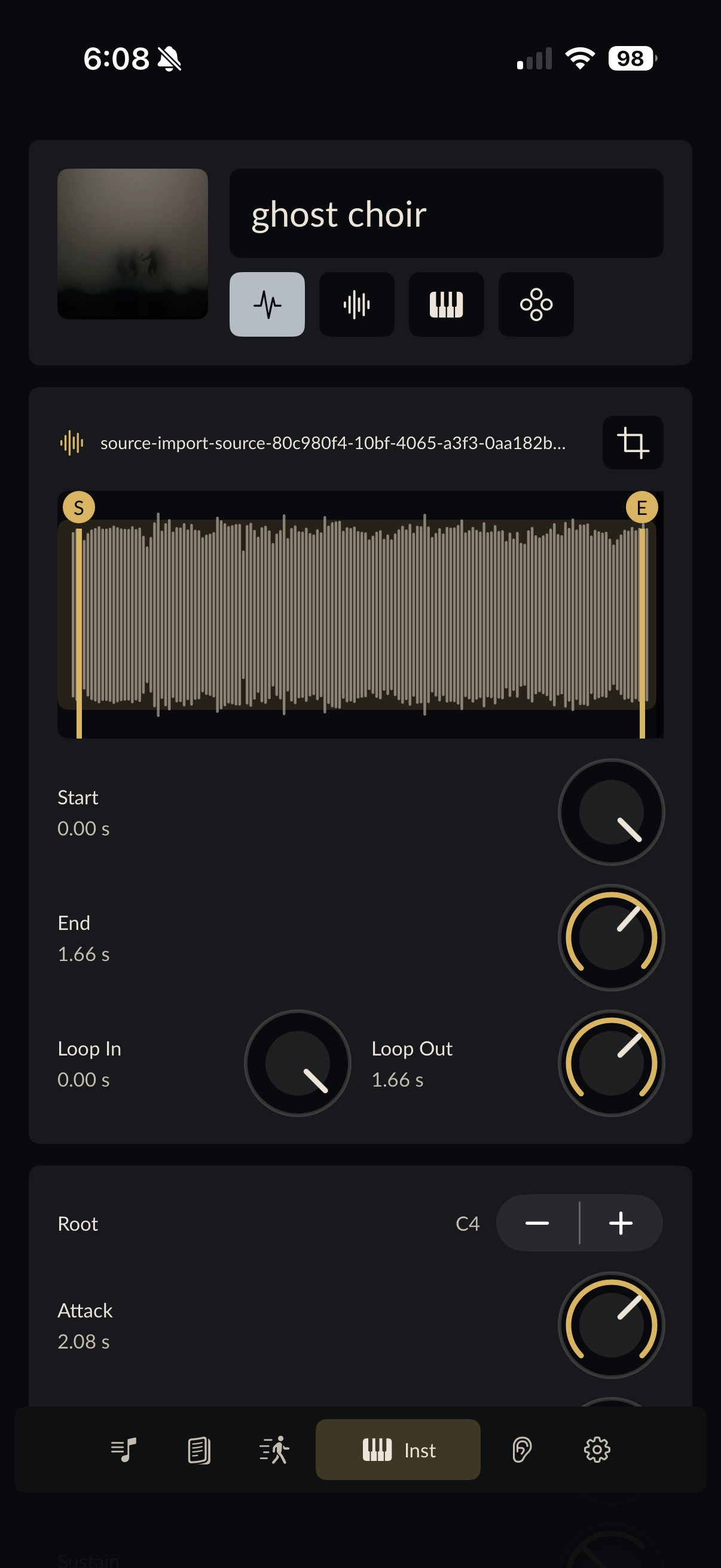
while i was discussing starter sounds with sol, it created instruments, shaped them with effects, and composed a multi-layer piece inside the application. i have started my first album with this software.
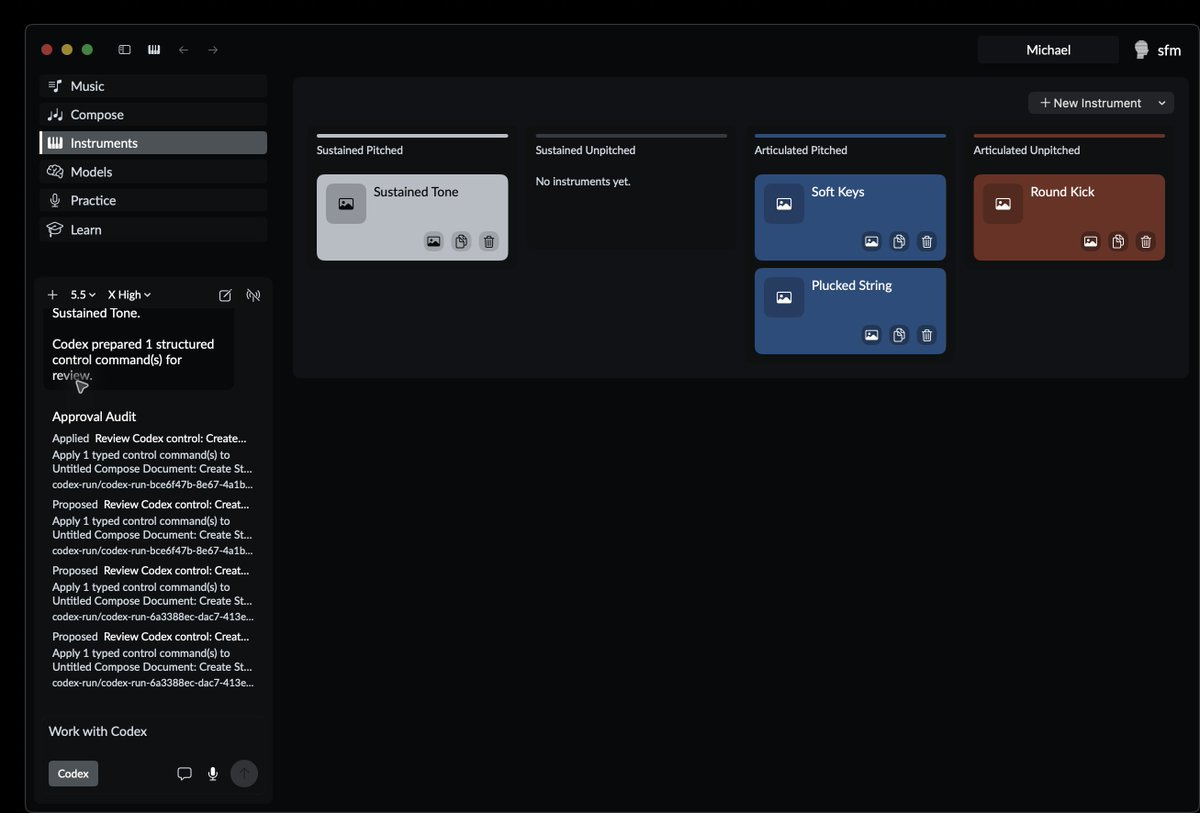
production, customer issues, and email drafts
one workflow in my company receives an email from a customer who needs help with an order or license. it finds the relevant files, makes a scoped change, runs checks, explains what changed, and stops before any action requires approval.
for licensing, entitlements, downloads, audio editing, account access, or product issues, the workflow gathers context, prepares and verifies a code change when needed, and drafts the reply. the email remains a draft until i review and send it.
a custom crm from company history
i built a custom crm from twenty-one years of company email, stripe, and other company data. it connects relationship history with licensing, purchases, and future communication.
the model first found a headshot of my wife. when i described a different photograph of her dancing in a large puddle, it found that image online. it also built a review interface so i could move through hundreds of collaborator images and confirm or reject each match.
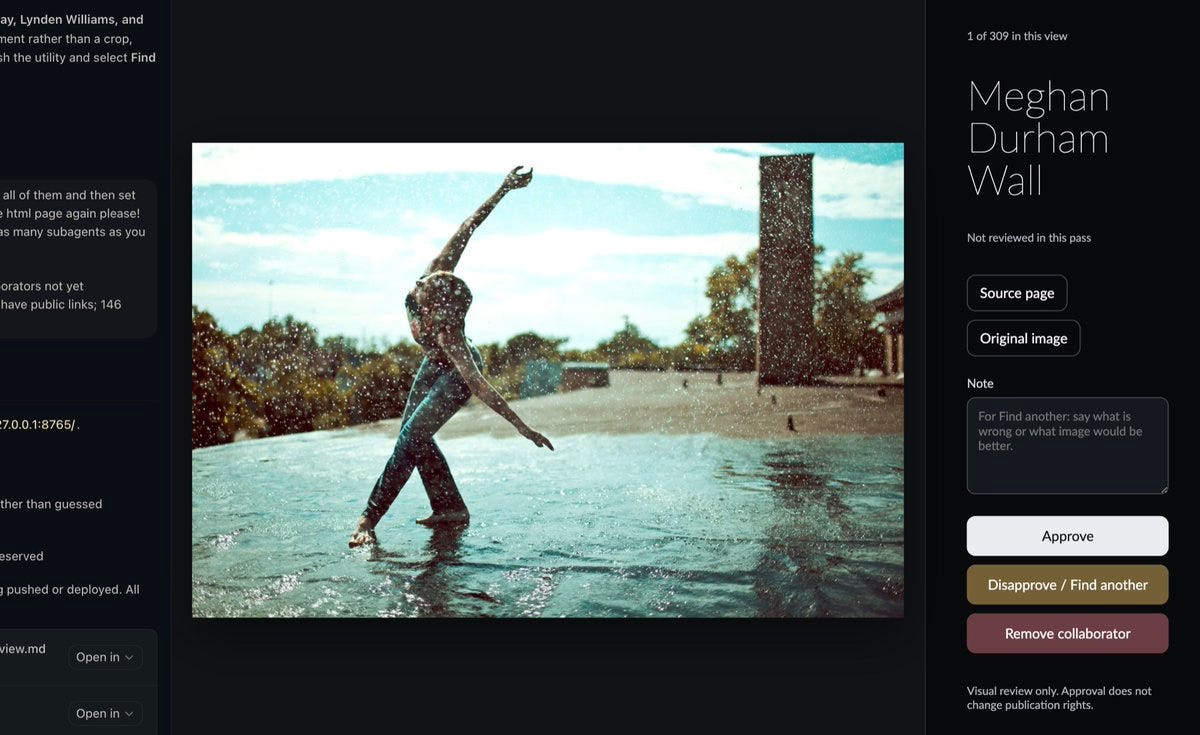
i decide which people, accounts, categories, and messages can be used. sensitive material stays out and connects right to my company’s email system.
user-generated ui
as i built the crm, i created images for every collaborator and company. my company’s community has grown significantly by sharing videos made with my music and then resharing them across our company timelines. many aspects of this user interface are incredibly complex, and sol made building it feel surprisingly easy.
education materials
sol helped me build the course structure and learning paths in learn, the educational wing of sound for movement for creatives. i have years of university curriculum that i have been reformatting for online learning. i can now expand it with work already in the catalog, along with new lessons, listening guides, and study materials.
instructional video from scratch
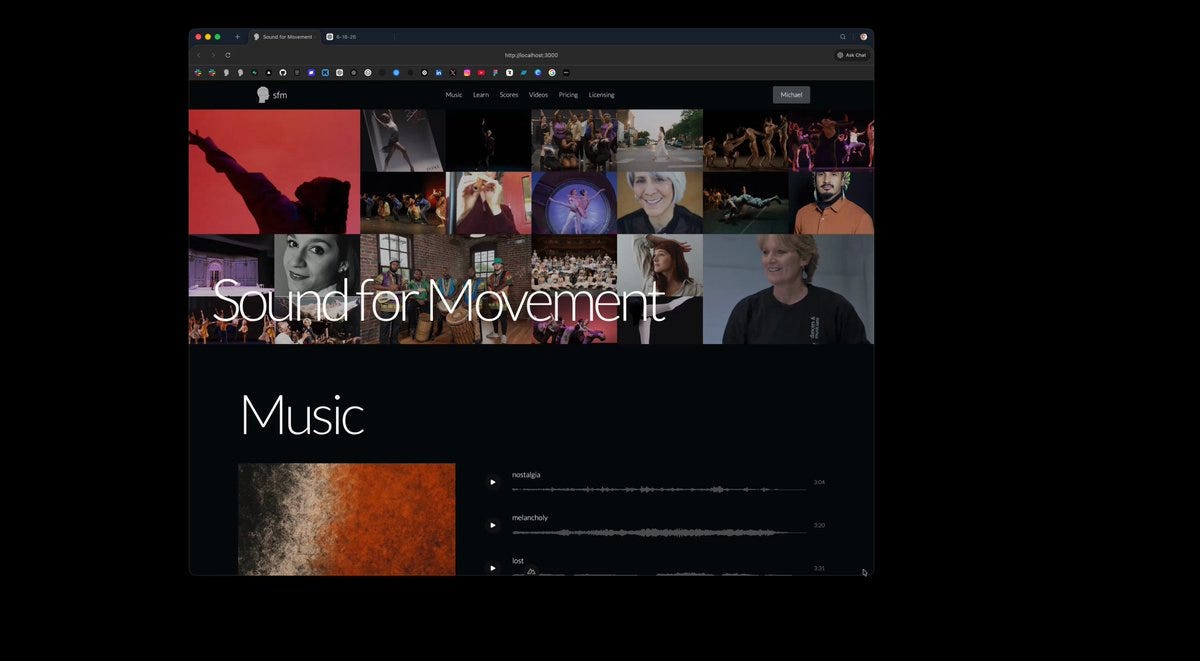
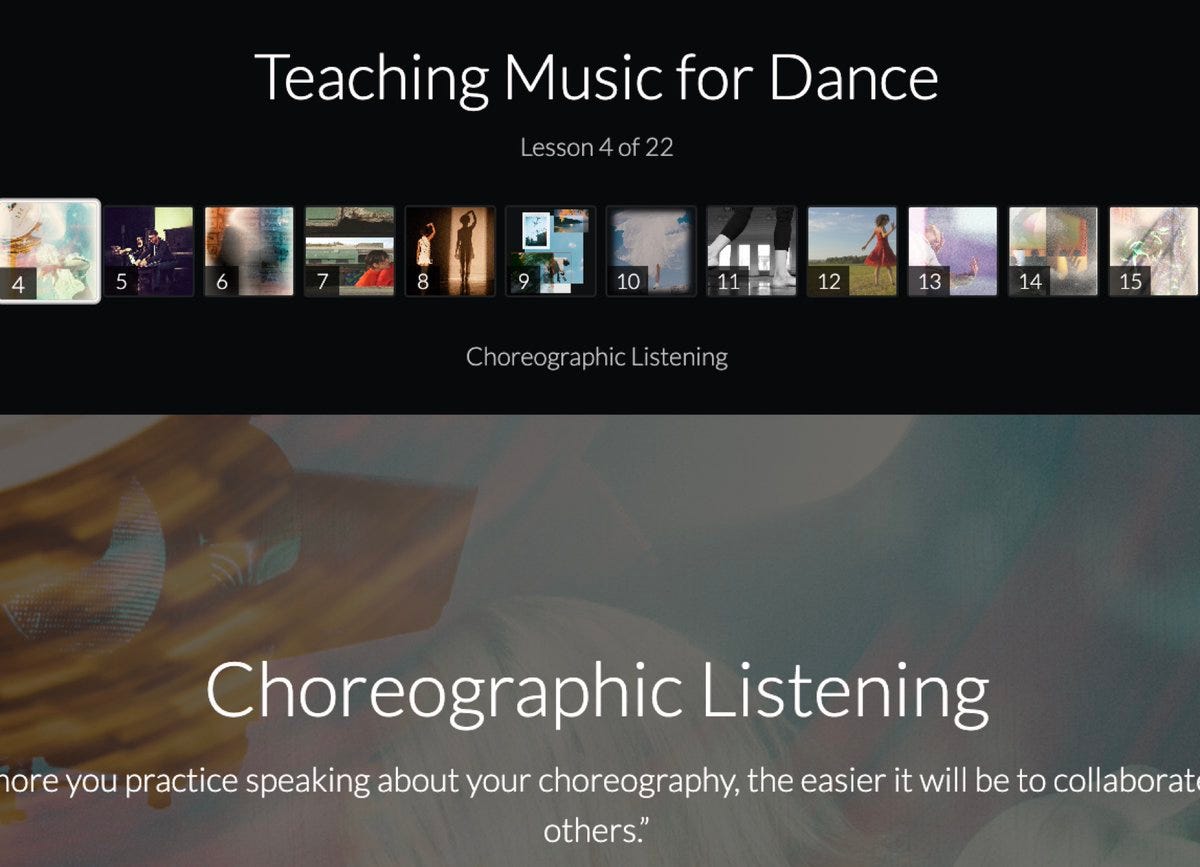
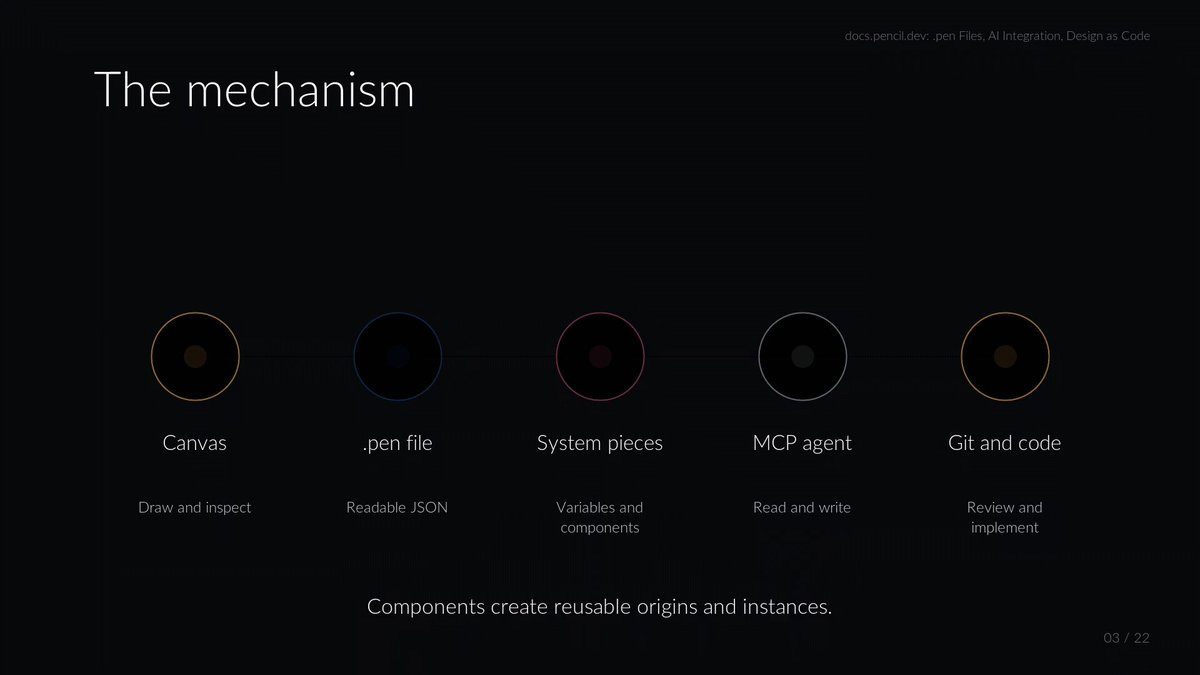
while learning the amazing software pencil, i asked sol to create an instructional video from scratch. it researched the product, adapted it to the sound for movement design system, wrote a script, assembled the video, added narration and captions, and produced an eight-minute film. here is a short clip:
company telemetry and individual agent roles
sound for movement operates across spotify, apple music, bandcamp, symphonic distribution, supabase, google analytics 4, stripe, apple mail, the website, the music catalog, licensing, customer communication, and internal tools.
this is a huge amount of discrete telemetry. much of it requires logging into the websites themselves because there are rarely apis available. computer use can use browser to navigate pre-logged-in websites and gather my streaming numbers, revenue, and other operational data.
i treat each scheduled automation as an individual company role with a skill, a specific job, a success condition, and clear boundaries. that work lives in sfm-operations, a local repository with an admin dashboard and separate read-only collectors.
image generation, collage, color, and surrealist abstraction
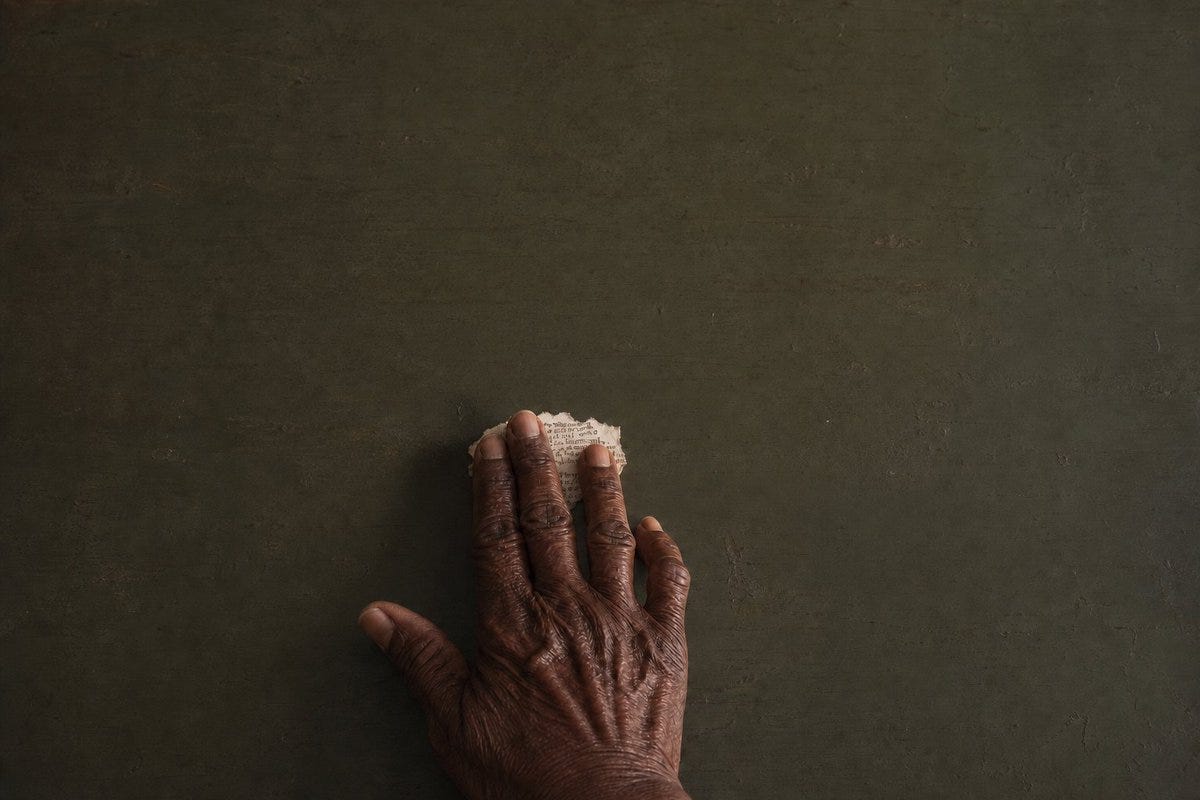
image generation has become part of my visual work as well. i have been using it to develop collages and a “brand image skill” for sound for movement. i craft the skill, run generations, adjust the results, and continue to iterate.
much like my work with audio, these images become source material for future collages and visual compositions. the results are stunningly surreal.


security
with the launch of the codex-security plugin, i scanned all of my production software and assets using sol at its highest reasoning level. this workflow was incredibly informative and led to multiple updates and rescans that tightened a few vulnerable surfaces.
i highly recommend running this early in your development process. it is an exceptionally strong workflow.
pedal off the metal
one of the last things i want to share is a complete departure from how i have worked with models in the past. for a long time, i found the most value in running the strongest model available at the highest reasoning level. with sol, terra, and luna, that is no longer the case. terra is my daily driver. luna is incredibly fun to experiment with inside music software. sol helps me solve the larger dsp problems and advanced mathematics needed to push the future of music forward.
you no longer need to run so hot. reconsider your use of fast mode, skills, mcps, plugins, and tools. be intentional about when you need a long-running thread or a /goal. use more automations at smaller intervals. make context management and token efficiency part of your company’s weekly, quarterly, and yearly workflow. be brutally decisive about how your system is set up.
no single action will solve everything, although i have created one workflow that i now run every week that helps a great deal:
i have so much more to share over the next week. much more is possible, so be bold and curious.
the single most important lesson i have learned from working with gpt-5.6 at a high level is this:
the more responsibility and craft i assume and provide, the more autonomy and value i receive.

here is the openai gpt-5.6 release post: