listening into the future
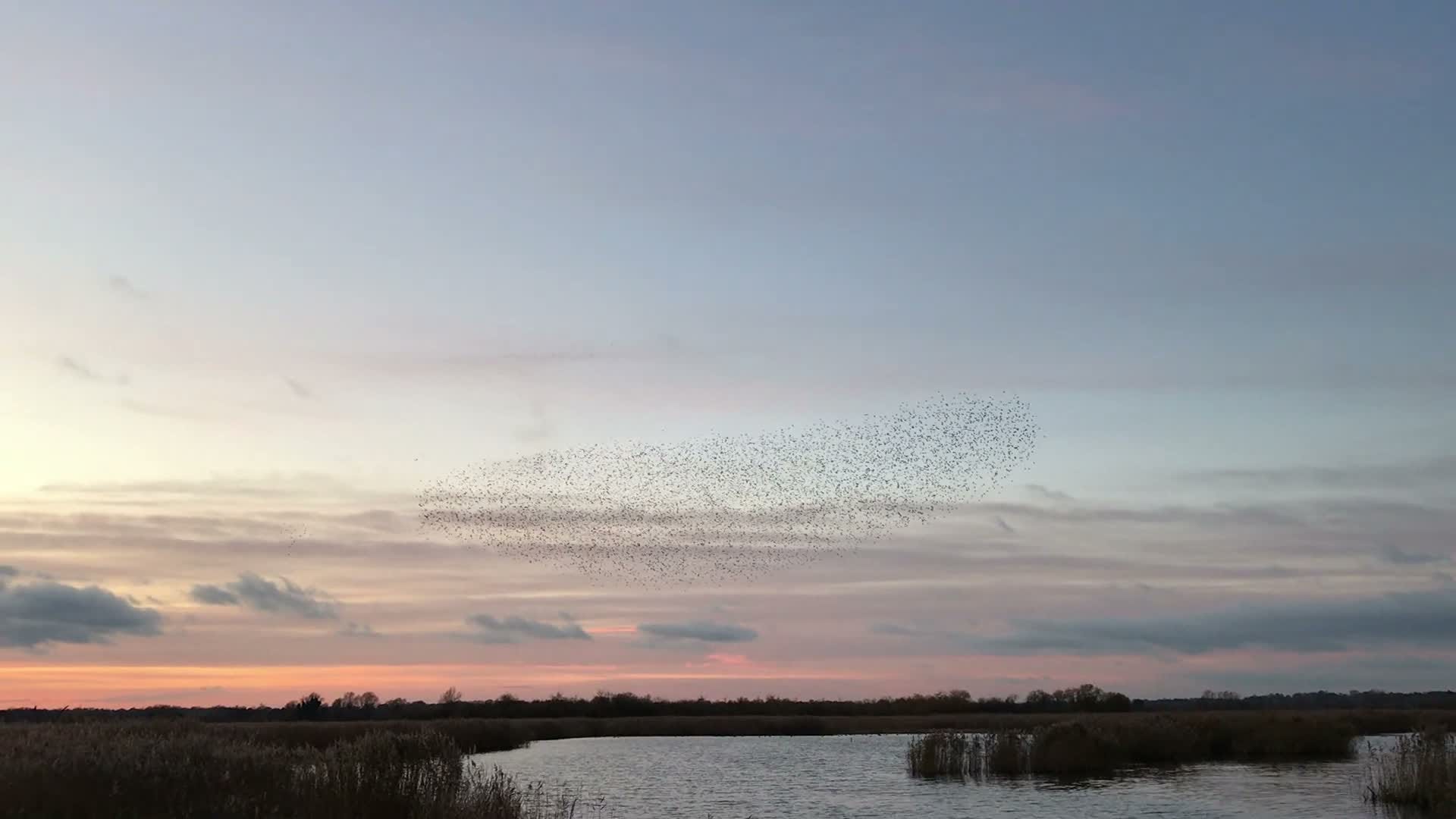
you aren’t memorizing lines, but you know the chords forwards and backwards. you don’t go in with a plan, but are ready for anything. theory can help, but keeping a keen ear on the world around you is where the action is.
syrio · source · cc by-sa 4.0 · converted to mp4; original sound retained
we have had automation in music for a very long time. from piano rolls in pianos, to piano rolls in modern ai assisted software, musicians have mastered the art of packing a lifetime’s worth of experiences in the plucking of a few tines. midi moved us well beyond the simple arguments of “real music” vs. “emulations”, and i feel quite primed for the future of music.
teaching folks how to improvise music is one of the great joys in life for me. teaching agentic software systems how i approach musical situations and think about the fundamentals of sound is now possible. we now have the ability to call those systems multiple times in just a few seconds. those calls can happen in parallel, consider both future note possibilities, what has been played from the start of the song, and craft a slate of ideas for the moment.
i gave astra a piano, i hopped on a wurlitzer and codex connected us to the astra /ultrafast api. i used low reasoning for this, to keep speed at a maximum. the model was now, because of the maintained intelligence at this tempo, able to both follow and lead as i could. i had a beautiful look into the future as i realized we were “flocking”.
moving towards a shared goal in the moment is how i think of improvising with one or more musicians. next, i asked codex to build another api for a third player in our ensemble. we switched instruments to rhodes, upright bass and drums. now the model was managing two individual systems making individual /ultrafast calls almost once every 1-2 seconds. and what happened was this…first take:
not only was astra managing the two models and its own past/future/current musical context, it still made time to make a revision!!!
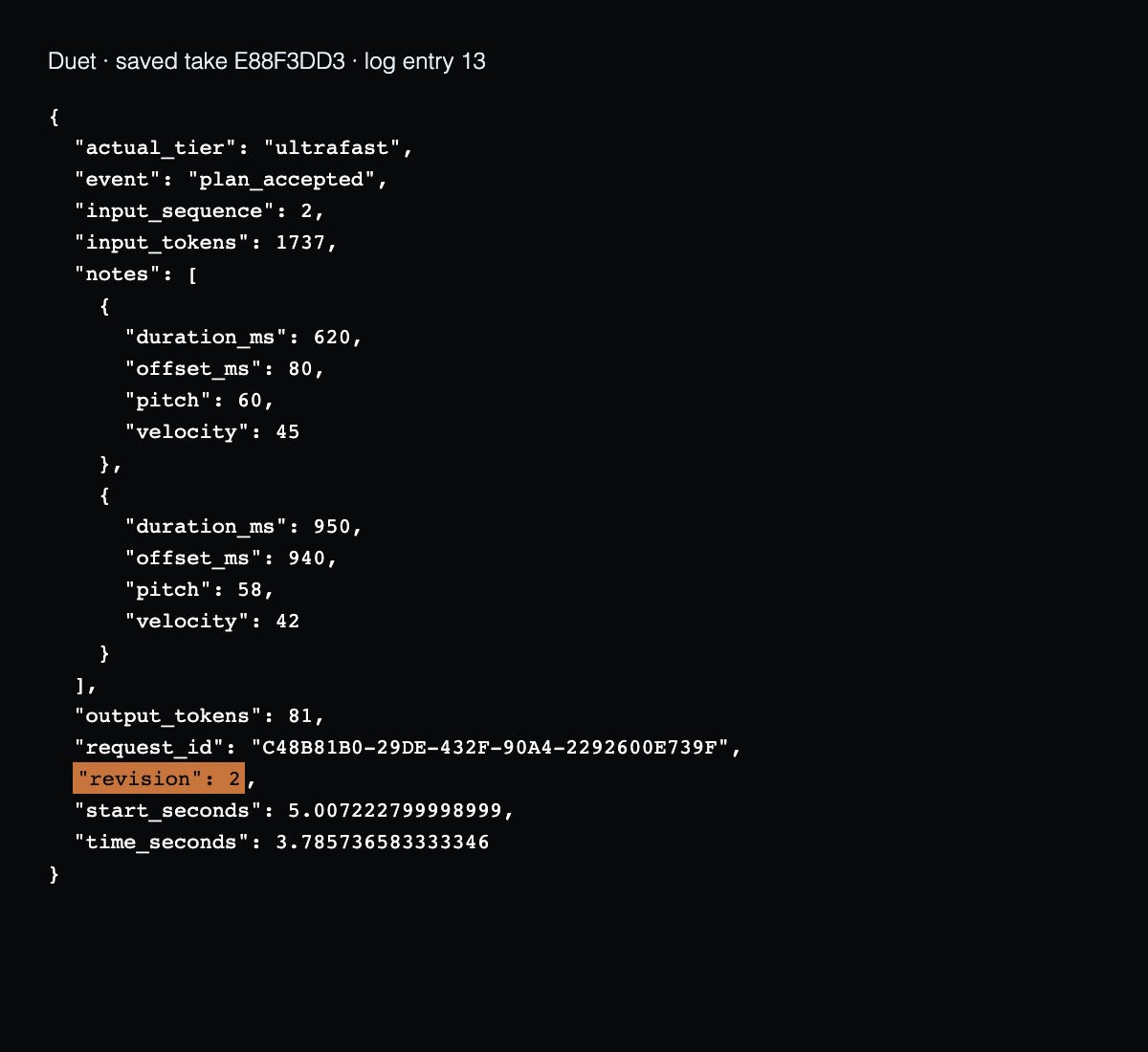
i know in a short amount of time, we will have ready easy access to these intelligent systems at scale. i saw a glimpse of this with spark, but here we have that magic with astra’s smarts. that is what has shifted for me, and i could not be more inspired, or thrilled after hearing this glimpse into the future of bespoke music software.
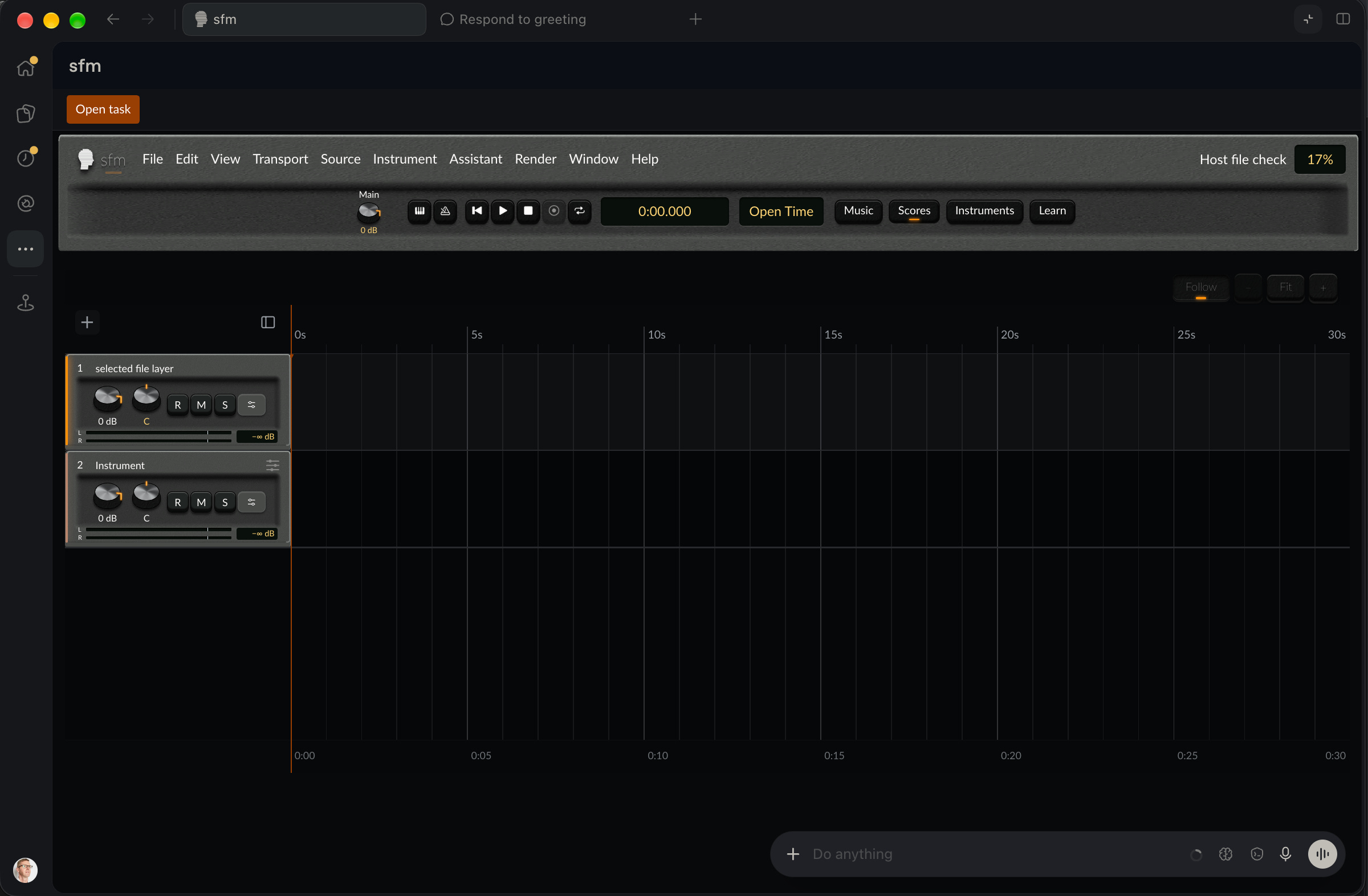
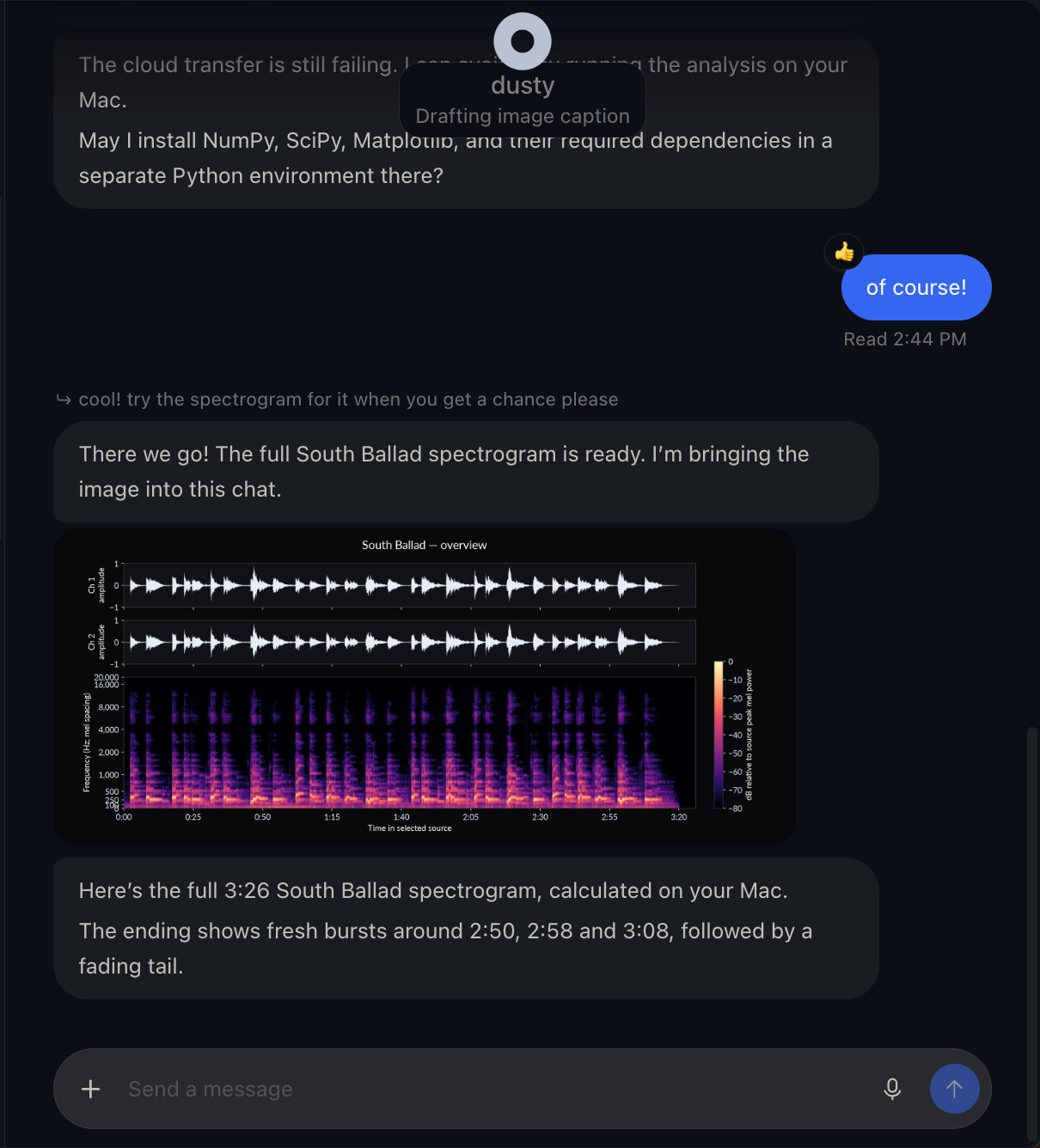
with the new plugin sdk, these software systems and their uis can live directly inside of my codex. my dot can locate through thirty years of collaborations and compositions to help me kickoff new projects. i even had a moment where chatgpt saw an incoming email for a future gig, looked up the music of mine the client was referencing, downloaded the wav files, created spectrograms of the tracks, compared them with others in my library and offered options for licensing that were perfect for the job.
some folks see the future of music as plastic and without worth. i see a future where music is no longer bound by the major scale, musicians own and thrive from their distribution and licensing, and we all hear music beyond our wildest aural imaginations!
thank you to the chatgpt openai pro community early testing group.